9 Cremation Myths That Everyone Thinks Are True
With the surging popularity of cremation as a common option now days the myths about cremation are slowly being dispelled.
Here are some of the most common ones.
- Cremation is cheaper than burial
If you compare average costs, this statement is true. The cost of a cemetery plot alone is much more expensive than cremation. For instance, currently graves (Just the hole in the ground) in the Brisbane area range from $3000.00 to $120,000.00
- Cremation results in ashes
Although the term “ashes” is used often, even by those of us within the funeral and cremation profession, what is left after cremation is not ashes. The proper term is “cremated remains,” which consist of skeletal material, the coffin/casket any anything that was placed in with your loved one. The ashes or cremated remains resemble coarse sand, with an off-white colour leaning towards grey. Furthermore, the American term “Cremains” is slowly gaining traction in Australia.
- You might get someone else’s remains
A common concern, and the punchline to most cremation jokes, but nonetheless a myth. Here is what the “International Cemetery, Cremation, and Funeral Association” has written as guidelines for its members and as a model for state regulations:
The crematory authority should not simultaneously cremate more than one human remains in the same cremation chamber unless it has written authorisation to do so by the authorising agent of each human remains to be cremated. (This is the person who has signed for the funeral and has the legal right to do so)
Most crematoriums are members of their State and or national Association. These groups all have similar guidelines, which have been incorporated into various state laws and regulations that govern the disposal of human remains. Additionally, crematoriums have protocols in place that ensure the identity of each body and the resulting cremated remains are never in doubt.
The kernel of truth in this myth comes from a very few instances of shady, disreputable individuals many years ago who cut corners and swindle their customers. You can make sure that you avoid this rare exception by taking two simple precautions:
- Ask the funeral director or crematorium staff about how they maintain identity
- Be present for the actual cremation
It is your right to watch the cremation and doing so helps alleviate the fear that many people have that their loved one’s ashes will be mixed up (or mixed with) another person’s remains. You may not need or want to view the cremation, so another option is to ask about how they handle the remains throughout the process. All reputable funeral homes and crematoriums are very transparent and wish to give you peace of mind in all aspects of their service, and they will welcome the questions and address your concerns. Nevertheless, if you do decide to witness the cremation, keep in mind that most crematoriums charge a fee for this.
- Cremation is eco-friendly
A partial truth is concealed in this flat-out falsehood. The cremation process itself is not eco-friendly however as technology progresses the cremators are becoming better and more efficient and do not release anywhere near the pollutants that were produced in years gone by.
However, there are secondary environmental benefits once you’re past the actual cremation. Since there is no body to bury, there is no land used for burial. You can easily forego the solid timber coffin or casket used in most burials, and you also skip the long-term cemetery maintenance.
Though cremation process is better for the environment since it does not use up so much space, yet the actual process of cremation cannot be considered as eco-friendly. For cremation to take place fossil fuels mainly “Natural Gas” are required which in turn releases some harmful chemicals into the atmosphere. These harmful chemicals include nitrogen oxides, carbon monoxide, sulphur dioxide, hydrofluoric acid.
Nevertheless, in Australia all of the crematoria install filters in their ventilation systems. This way there will be less impact on the environment, furthermore, the carbon output is less but still significant.
Lastly, the harm to the environment caused by the cremation process may be different than what you might think: Roughly the environmental equivalent of a 500-Km ride in a small car. Depending on your perspective, that may be more or less harmful than you are comfortable with, and the eco-friendly benefits of cremation may or may not outweigh those of traditional burial.
- You can’t have a traditional funeral Service with cremation
Choosing cremation doesn’t preclude a “traditional”-style funeral at a church, crematorium chapel or other place. You can certainly bury a cremation urn, so the only differences will be the size of the container being buried. You can even have an open coffin / casket viewing and memorial service prior to the cremation; you’ll just need to wait a few days for the cremation to be complete before the burial. All other aspects of the funeral and memorial can be the same. The service can be held in a church, chapel, garden, beach or any other venue you choose.
- Scattering ashes is illegal
Many people express the wish to have their ashes scattered at a meaningful location as a way of becoming a part of that environment. State laws may vary however as a general rule of thumb:
Ashes are not permitted to be scattered on a War Memorial without permission from Veteran Affairs.
Ashes scatted on private land must have written permission from the landowner.
Ashes scattered in a public place. Care should be taken so as not to offend other people or residence in the area.
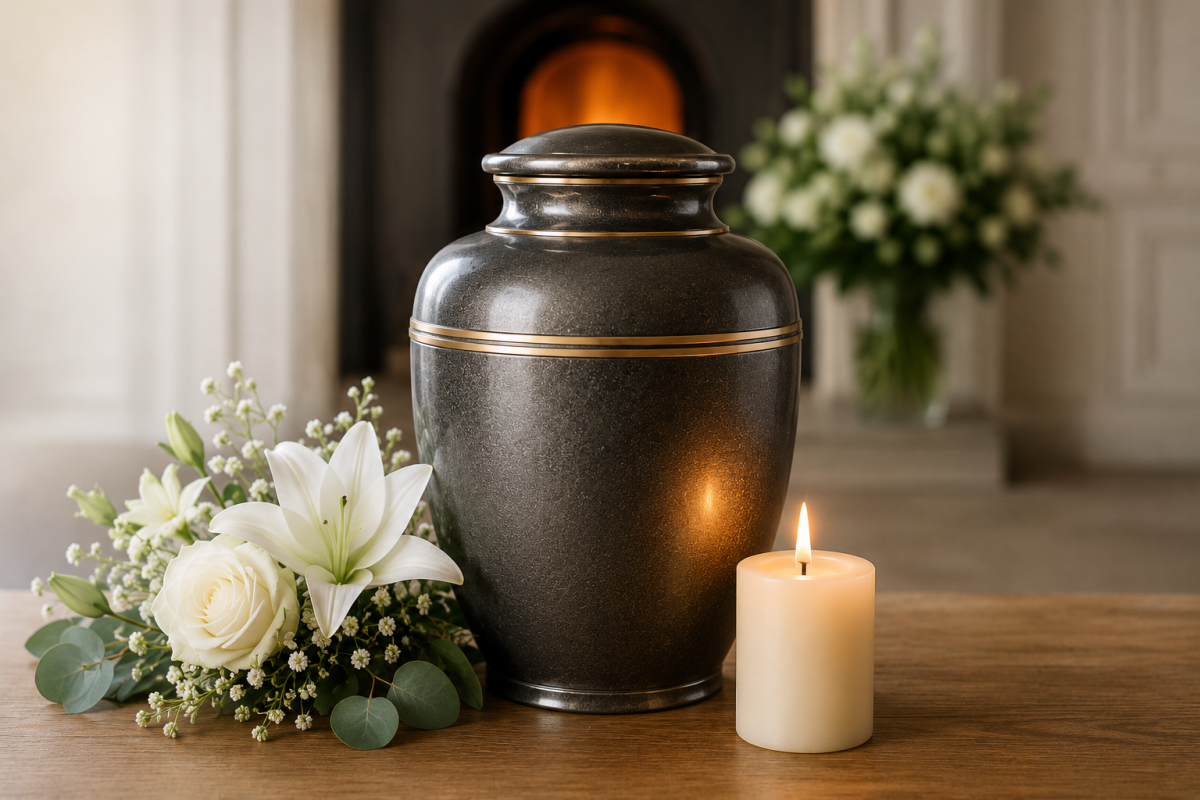
- You have to purchase an urn from the funeral home
- You can purchase an urn from anywhere and bring it to the funeral home or crematorium.
Most reputable funeral homes will assist you with the purchase of a cremation urn, alternately, you can purchase an urn or container of your choice from wherever you choose. As all reputable funeral companies will put the ashes in your urn for you at no charge if that is what you request
- Cremation is different for pets and humans
There is little to no difference between cremation for humans and for pets. Both use the same type of equipment and similar processes, and some crematoriums work with both pets and humans. However, there is a separate cremator for pets
Check with your local veterinarian, pet cemetery, or crematorium for more information about pet cremation. For human cremation, check out Academy Funerals
- Cremation is an “alternative” disposal method
This used to be the case, but it simply isn’t true anymore. Cremation is mainstream in many countries all over the world, averaging about 85% in Australia
Since cremation is so common throughout the world, it shouldn’t be described as an “alternative” disposal method any longer. It is one of two common basic choices (burial being the other) for disposal methods.
This blog has been written to assist those people who hold Funerals in Brisbane, as well as the Gold and Sunshine Coasts.
*Image via Chatgpt